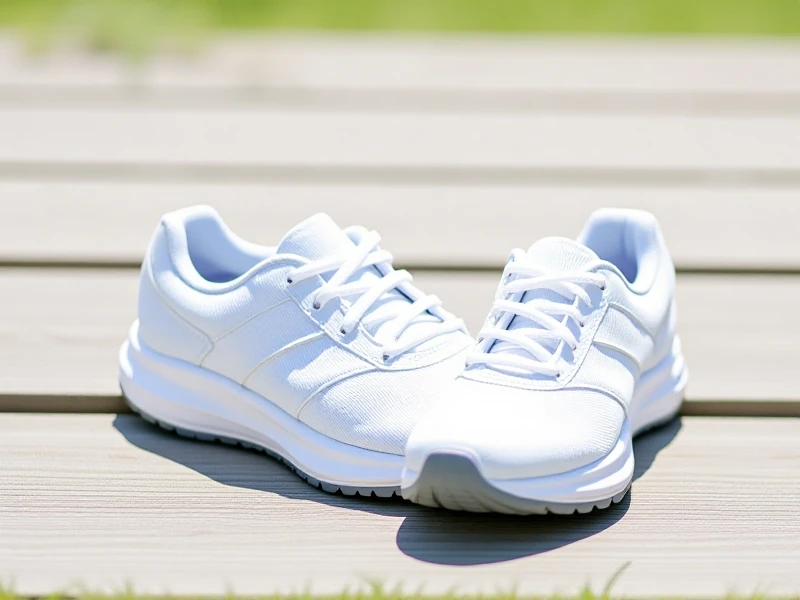
Your Ultimate Guide to Choosing the Best Running Shoes
Here is an SEO-optimized English article targeting "Running Shoes", designed for a website:
Finding the perfect pair of running shoes is crucial for performance, comfort, and injury prevention. Whether you're a seasoned marathoner or lacing up for your first 5k, the right running shoes make all the difference. With countless options available, knowing what to look for is key.
Why the Right Running Shoes Matter
Running impacts your body differently than walking. Your feet endure significant force with each stride. High-quality running shoes provide essential features: cushioning absorbs shock, support stabilizes your stride, and a durable outsole offers traction. Ill-fitting or unsupportive shoes can lead to blisters, shin splints, knee pain, and long-term injuries. Investing in proper running shoes isn't just about comfort; it's an investment in your health and running longevity.
Key Features in Top Running Shoes
The best running shoes align with your unique needs:
- Cushioning: Offers shock absorption. Levels range from minimal (for a responsive, ground feel) to maximal (for maximum impact protection). Consider your weight, running surface, and preference.
- Support & Stability: Vital for runners who overpronate (feet roll inward excessively). Look for medial posts, firmer foams, or structured uppers. Neutral runners require less inherent stability.
- Fit: Your heel should be locked in place, with about a thumb's width of space from your longest toe to the shoe's end. The midfoot should feel secure but not constricted. Width options are crucial for comfort.
- Breathability: Mesh uppers keep feet cool and dry, enhancing comfort on longer runs.
- Outsole & Traction: Rubber compounds and tread patterns vary. Deeper lugs excel on trails; smoother soles are ideal for roads.
Types of Running Shoes
The market categorizes running shoes primarily:
- Neutral: Balanced cushioning and flexibility. Suitable for runners with efficient, neutral strides.
- Stability: Designed to limit excessive inward rolling (overpronation). Features like firmer medial posts guide the foot.
- Motion Control: Maximal support for severe overpronators, often heavier runners.
- Cushioned/Neutral Plus: Offers extra soft cushioning for high-impact absorption, often for neutral runners or underpronators.
- Trail Running Shoes: Enhanced outsoles with aggressive lugs for off-road traction and often more durable materials. Road versions are generally lighter.
Finding Your Perfect Pair
Consider your running goals, typical distance, terrain (road, track, trail), foot shape (arch type), and pronation. Get professionally fitted at a specialty running shoes store for gait analysis. Remember, a running shoe's lifespan is typically 300-500 miles – beyond this, cushioning breaks down.
Explore our curated collection of the latest running footwear. Discover innovative brands committed to performance and find the running shoes that empower every step of your journey.